Electropolishing Services Demystified Your Guide to Stainless Steel Finishing
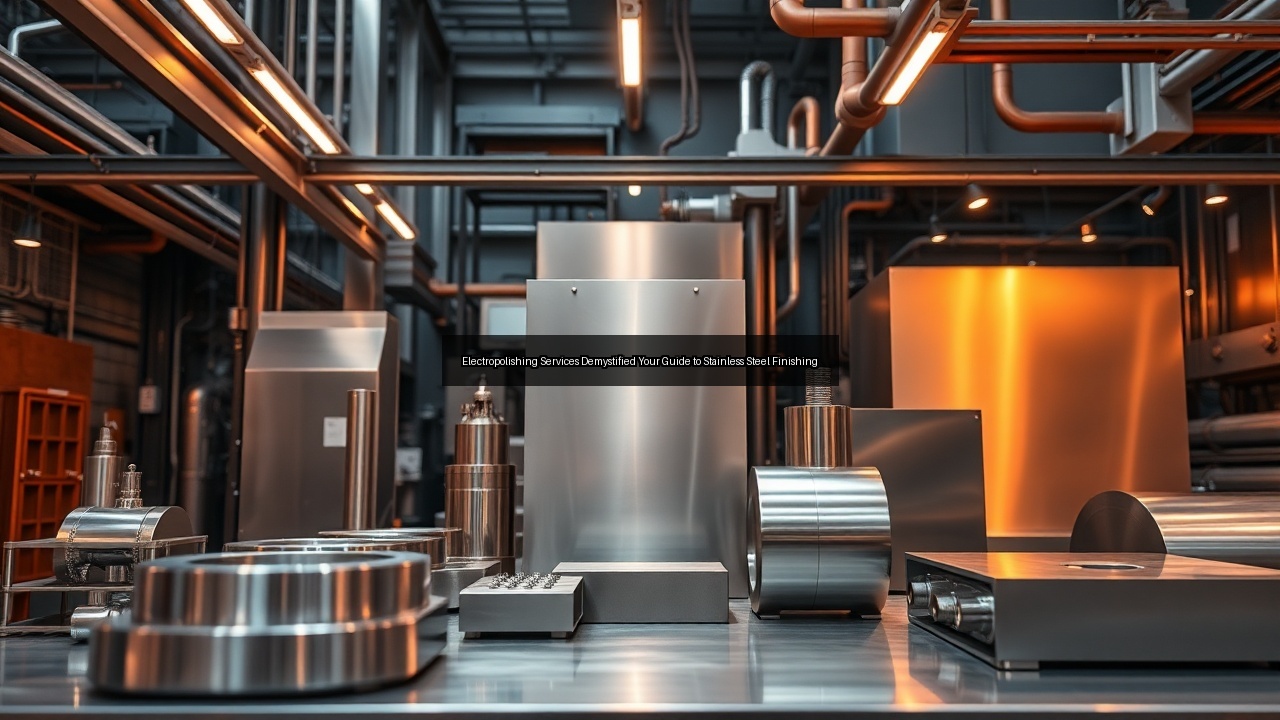
Understanding Electropolishing: The Science Behind the Process
What is Electropolishing?
Electropolishing stainless steel services deliver a precise electrochemical method that refines metal surfaces at the atomic level. Operators immerse stainless steel components in an electrolyte bath and apply controlled electrical current to dissolve microscopic peaks. This process creates a smooth, passive layer that resists contaminants far better than mechanical methods allow. Manufacturers rely on electropolishing when parts must meet strict hygiene or performance standards in demanding environments. The technique works on various stainless steels, including 316L, which benefits from uniform material removal without introducing stress or embedded particles. Users often search for electropolishing services to achieve surfaces free of burrs, scratches, and inclusions that trap moisture or bacteria. The result improves both appearance and longevity while reducing the need for frequent maintenance on stainless steel products.
How Electropolishing Works
Electropolishing begins with thorough cleaning of the stainless steel workpiece to remove oils and oxides. Technicians then submerge the part in a heated phosphoric-sulfuric acid solution and connect it as the anode in an electrolytic cell. Current flows and preferentially attacks high points on the surface, leveling irregularities through anodic dissolution. Oxygen evolves at the anode during the reaction, aiding in the formation of a stable chromium oxide film that enhances passivity. Cycle times range from minutes to hours depending on part geometry and desired finish. Operators monitor voltage, temperature, and agitation to control material removal rates consistently across complex shapes. This controlled electro polishing produces bright, reflective surfaces that outperform traditional polishing in both uniformity and cleanliness. Industries specify electropolished stainless steel when visual inspection or particle counts matter.
The Role of Oxygen in Electropolishing
Oxygen plays a central function during electropolishing by participating in the anodic reaction that builds the protective oxide layer on stainless steel. As current passes, oxygen ions migrate to the surface and combine with chromium to form a thin, dense film. This film prevents further corrosion and improves biocompatibility for stainless steel products used in medical or food applications. Insufficient oxygen evolution leads to dull finishes or pitting, while optimal conditions produce mirror-like results with superior corrosion resistance. Engineers adjust bath chemistry and current density to maintain balanced oxygen release throughout the process. The oxygen-driven passivation distinguishes electropolishing from mechanical polishing, which can embed abrasives and disrupt the natural oxide. Reliable manufacturers monitor oxygen-related parameters to ensure every batch of electropolished stainless steel meets exact specifications for long-term performance.
Benefits of Electropolishing Stainless Steel
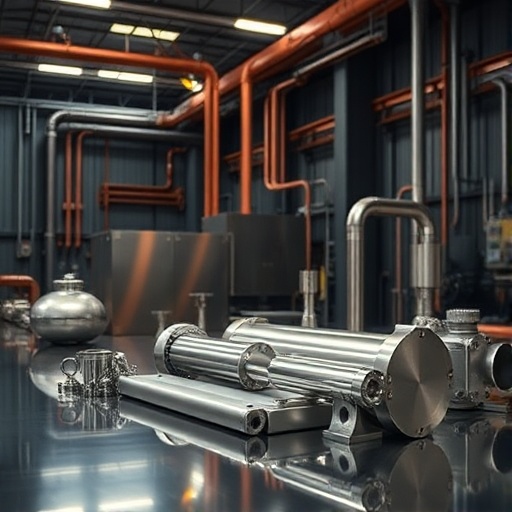
Enhanced Corrosion Resistance
Electropolishing stainless steel services dramatically boost corrosion resistance by eliminating surface defects that initiate rust. The process removes embedded iron particles and creates a chromium-rich passive layer that withstands chlorides and acids more effectively than untreated surfaces. Stainless steels such as 316L gain extended service life in marine, chemical, and pharmaceutical settings after electropolishing. Tests consistently show lower corrosion rates on electropolished samples compared with mechanically polished counterparts. The improved resistance reduces downtime and replacement costs for stainless steel products exposed to aggressive media. Manufacturers document these gains through salt-spray and electrochemical testing to validate performance claims. Clients seeking electropolishing services often cite corrosion resistance as the primary driver for specifying the treatment on critical components.
Improved Surface Finish
Electropolishing produces a surface finish with Ra values below 0.1 micrometers, far smoother than abrasive polishing achieves. The electrochemical action eliminates microscopic peaks without directional lines or cold-worked layers. Stainless steel components emerge bright, reflective, and free of micro-scratches that scatter light or harbor residues. This finish improves cleanability and reduces friction in moving parts. Engineering teams specify electropolished stainless steel when flow characteristics or optical clarity matter. The uniform surface also enhances adhesion for subsequent coatings when required. Because the process works on internal passages and complex geometries, manufacturers deliver consistent results on valves, tubing, and fittings that traditional polishing cannot reach evenly.
The Role of Electropolishing in Engineering Applications
Engineering projects demand surfaces that combine strength with cleanliness, and electropolishing stainless steel services meet both requirements. The treatment removes heat-affected zones from welding and restores corrosion resistance in fabricated assemblies. It also improves fatigue life by eliminating stress risers that mechanical polishing can create. Designers incorporate electropolishing into specifications for aerospace fittings, semiconductor tools, and high-purity piping systems. The process integrates well with heat treating sequences, allowing parts to receive final finishing after hardening. Manufacturers experienced in electropolishing understand how alloy composition and prior processing affect outcomes, ensuring parts function reliably under load. Clients value the predictable results and documented traceability that accompany professional electropolishing services.
Electropolishing Services: What to Expect
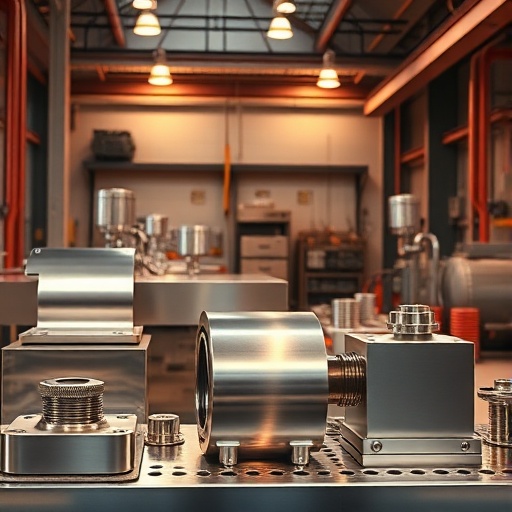
Common Stainless Steel Grades for Electropolishing
316L remains the most requested grade for electropolishing stainless steel services because of its molybdenum content and low carbon levels. The alloy responds predictably to electrochemical treatment and delivers excellent corrosion resistance after processing. Other common grades include 304, 316, and 2205 duplex stainless steels, each requiring tailored bath chemistry and current parameters. Manufacturers maintain separate process sheets for each alloy to achieve consistent surface finish and passivation. Lower-alloy grades polish faster but may need additional steps to reach the same brightness level. Clients supply material certifications so providers can select the correct electrolyte and avoid hydrogen embrittlement risks on martensitic grades. Proper grade selection ensures the finished stainless steel products meet both aesthetic and functional expectations across industries.
Choosing a Reliable Electropolishing Manufacturer
Selecting an electropolishing manufacturer requires verification of equipment capacity, process controls, and quality documentation. Reputable providers maintain ISO-certified systems and supply test reports showing surface roughness and corrosion performance. They handle part sizes from small fittings to large vessels and offer rack or barrel processing as needed. Experience with 316L and other stainless steels indicates the shop understands how alloy variations affect results. Ask for references in your specific industry and request samples processed to your specifications. A capable partner explains the entire workflow, from pre-cleaning through final inspection, and maintains records that support regulatory compliance. Investing time in vendor qualification prevents costly rework and ensures electropolishing stainless steel services deliver the expected benefits on every order.
Electropolishing vs. Traditional Polishing Techniques
Traditional polishing relies on abrasive belts and compounds that remove material mechanically and can embed particles or create directional scratches. Electropolishing, by contrast, dissolves metal electrochemically to produce an isotropic surface without mechanical deformation. Stainless steel electropolishing reaches internal surfaces and sharp edges that abrasive methods cannot access uniformly. The electrochemical process also passivates the metal in one step, whereas mechanical polishing often requires separate passivation afterward. Cycle times favor electropolishing for high-volume runs once fixtures are prepared. Although initial setup costs may exceed simple buffing, the superior corrosion resistance and cleanability of electropolished parts justify the investment for critical stainless steel products. Engineers compare both methods during design reviews to select the finish that best matches service conditions.
Applications of Electropolished Stainless Steel
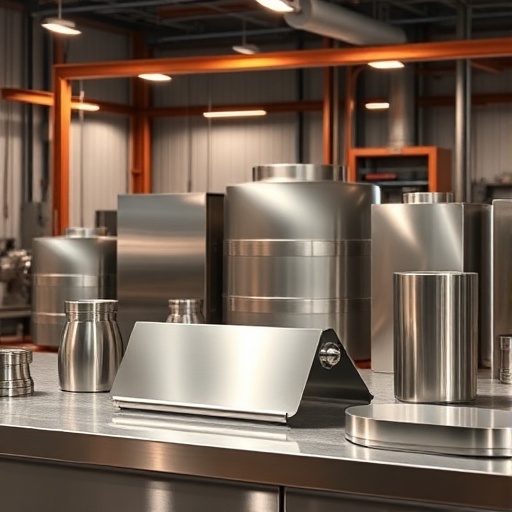
Electropolishing in the Semiconductor Industry
The semiconductor industry demands ultra-clean surfaces to prevent particle contamination during wafer processing. Electropolishing stainless steel services produce the low-particle, high-purity finishes required for vacuum chambers, gas delivery systems, and wafer handling equipment. The smooth surface reduces outgassing and simplifies cleanroom maintenance. Manufacturers process 316L components to achieve surface finishes that meet SEMI standards for metallic and non-metallic contamination. Electropolished stainless steel also resists the aggressive cleaning chemicals used in fab operations. Providers serving this sector maintain Class 100 or better cleanrooms for final packaging to preserve the electropolished condition until installation. The combination of corrosion resistance and cleanliness makes electropolishing the preferred finishing method for semiconductor tools and support hardware.
Impact on Stainless Steel Products
Electropolishing transforms stainless steel products by extending service intervals and improving appearance throughout their lifecycle. Valves, tanks, and piping systems exhibit fewer corrosion sites after treatment, reducing leak risks and maintenance labor. The bright finish also enhances brand perception for visible components in architectural or consumer applications. Manufacturers report measurable reductions in bacterial adhesion on electropolished surfaces used in food and beverage equipment. Because the process removes only a controlled amount of material, dimensional tolerances remain tight even on precision parts. Clients who specify electropolishing stainless steel services at the design stage avoid costly retrofits later. The cumulative effect appears in lower total ownership costs and higher reliability across diverse product lines.
Heat Treating and Electropolishing
Heat treating followed by electropolishing forms an effective sequence for many stainless steel components. Solution annealing or precipitation hardening improves mechanical properties, after which electropolishing restores surface integrity and removes oxide scale. The electrochemical process reaches areas shielded during heat treating and eliminates the need for aggressive pickling that can damage thin sections. Manufacturers coordinate the two operations to prevent recontamination between steps. Parts that undergo both treatments show optimal corrosion resistance and surface finish on grades such as 316L. Engineering teams document the combined process parameters to ensure repeatability. When heat treating precedes electropolishing, the final product meets stringent requirements for both strength and cleanliness in semiconductor, pharmaceutical, and aerospace applications.
See Also
- Maximizing Performance through Electropolishing in Stainless Steel Applications
- Revolutionizing Engineering with Electropolishing Techniques for Metals
- The Science Behind Electropolishing and Its Impact on Surface Finish
- The Role of Electropolishing in Semiconductor Manufacturing Processes
- Unlocking the Benefits of Electropolishing for Stainless Steel Products