The Role of Stainless Steel in Modern Construction and Fabrication
Introduction to Stainless Steel in Construction and Fabrication
Importance of Stainless Steel in Modern Construction
Stainless steel plays a pivotal role in modern construction and fabrication, serving as a backbone for a wide array of structures and applications. Known for its strength, corrosion resistance, and aesthetic appeal, stainless steel has become a preferred choice among architects and builders. Its ability to withstand harsh environmental conditions makes it ideal for both commercial and residential projects. The longevity of stainless steel reduces maintenance costs over time, adding to its overall value. In addition, its recyclability aligns with sustainable building practices, further solidifying its importance in contemporary construction. As cities expand and infrastructure ages, the demand for durable materials like stainless steel continues to rise.
Overview of Steel Distribution in the Industry
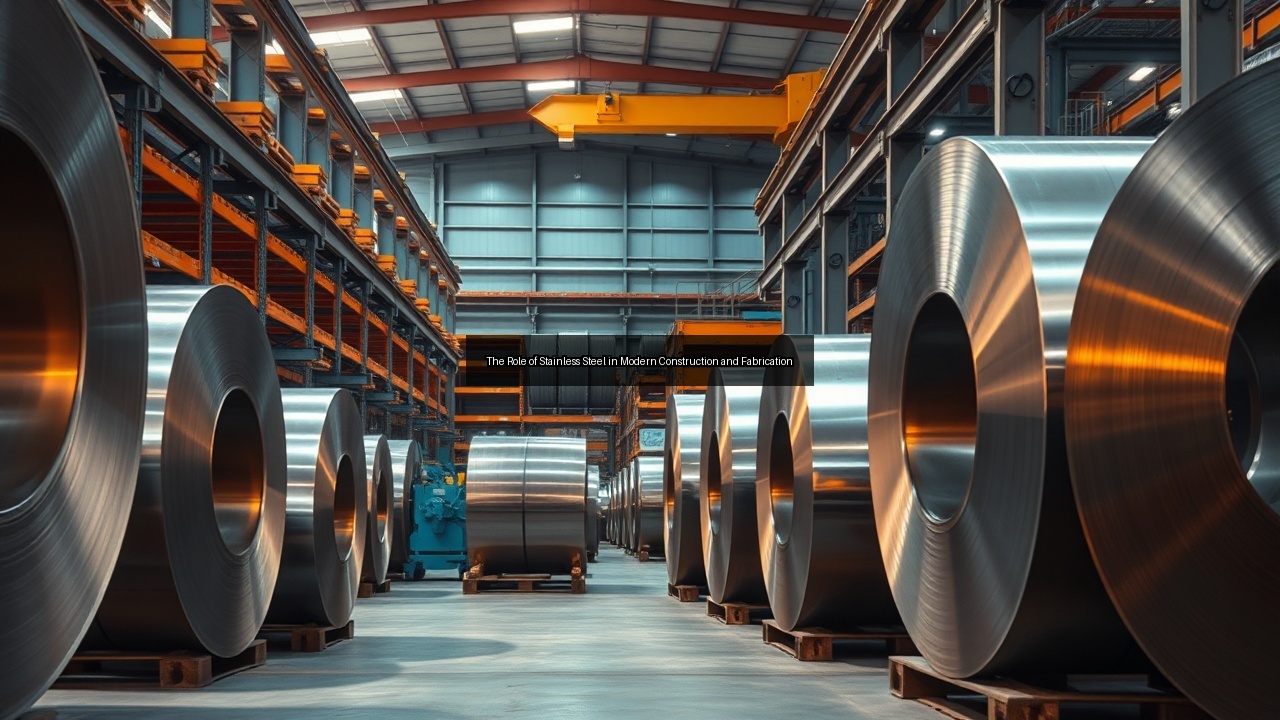
The steel distribution network is crucial for ensuring that quality metals, including stainless steel, reach manufacturers, fabricators, and construction projects promptly. Steel distribution companies serve as intermediaries between steel mills and end-users, managing inventory and logistics. They supply various forms of steel, such as coils, sheets, and bar stock, catering to specific industry needs. Distributors typically maintain extensive relationships with multiple suppliers, allowing them to offer a diverse range of products while ensuring timely delivery. This efficiency in steel supply is essential for maintaining project timelines and budgets in the construction sector.
Applications of Stainless Steel in Various Industries
Stainless Steel in Oil and Gas
In the oil and gas industry, stainless steel’s resistance to corrosion and high temperatures makes it an essential material. This industry often deals with harsh environments, including exposure to saltwater and chemicals. Stainless steel pipelines, tanks, and fittings are critical for transporting oil and gas safely. The material's durability ensures minimal risk of leaks or failures, which could lead to catastrophic consequences. Additionally, the lightweight nature of stainless steel allows for easier installation and maintenance of infrastructure in remote locations. Companies in the oil and gas sector rely on expert suppliers to provide high-quality stainless steel products that meet stringent industry standards.
The Role of Stainless Steel in Automotive and Aerospace
Stainless steel has revolutionized the automotive and aerospace industries, where strength and weight reduction are paramount. In automotive manufacturing, components made from stainless steel enhance fuel efficiency and safety. For instance, exhaust systems, structural supports, and decorative trim benefit from stainless steel's corrosion resistance and aesthetic qualities. Similarly, the aerospace sector utilizes stainless steel in various applications, including engine parts, fuselage components, and landing gear. The material's high strength-to-weight ratio allows for more efficient designs and improved performance. Companies in these sectors often collaborate with steel distributors to source specialized stainless steel alloys tailored to their specific manufacturing requirements.
Comparing Stainless Steel and Other Alloys: Carbon Steel and Alloy Steel
When choosing materials for construction and fabrication, understanding the differences between stainless steel, carbon steel, and alloy steel is vital. Carbon steel, while strong and durable, lacks the corrosion resistance provided by stainless steel. This makes carbon steel less suitable for applications exposed to moisture or chemicals. Alloy steel, on the other hand, combines several elements to enhance specific properties, such as strength and toughness. However, stainless steel often outperforms both in environments where corrosion resistance is critical. Each material has its advantages, but in sectors like construction, automotive, and aerospace, stainless steel often emerges as the superior choice for long-term reliability and performance.
Steel Distribution: Processes and Key Players
Understanding Steel Distribution Companies
Steel distribution companies play a vital role in the supply chain, connecting steel mills with manufacturers and fabricators. These companies handle logistics, inventory management, and order fulfillment, ensuring that customers receive the right materials at the right time. They stock a variety of steel products, including stainless steel, carbon steel, and alloy steel, to meet diverse industry demands. Understanding the nuances of steel distribution is crucial for companies looking to optimize their procurement processes. Effective steel distributors maintain relationships with multiple steel suppliers, allowing them to offer competitive prices and rapid delivery options, which are essential for maintaining project schedules in construction and fabrication.
The Role of Steel Suppliers and Distributors
Steel suppliers and distributors are the backbone of the steel distribution network. They source materials from mills and stock them for resale to various industries, including construction, automotive, and oil and gas. These entities often provide additional services, such as cutting, coating, and processing steel to meet customer specifications. For instance, a steel supplier might offer waterjet cutting services to produce precise shapes from stainless steel sheets or coils. The ability to provide customizable solutions enhances the value of these suppliers in the eyes of fabricators and manufacturers. A reliable steel distributor can significantly impact a project's success by ensuring quality materials and timely delivery.
How Steel Fabricators Utilize Steel Distribution
Steel fabricators depend heavily on steel distribution to acquire the materials necessary for their projects. Fabricators transform raw steel products, such as sheets, coils, and bar stock, into finished components for various applications. Efficient steel distribution enables fabricators to maintain inventory levels that correspond to current project demands, minimizing delays and reducing costs. Collaboration with trusted steel distributors also allows fabricators to access high-quality stainless steel and specialized alloys quickly. By leveraging advanced logistics, steel distributors help fabricators streamline their operations, ensuring they can meet the evolving needs of the construction and manufacturing sectors.
Innovative Techniques in Steel Fabrication
Waterjet Cutting: Precision in Steel Fabrication
Waterjet cutting has emerged as a game-changing technique in steel fabrication, offering unparalleled precision and versatility. This method uses high-pressure water mixed with abrasive materials to cut through various steel forms, including stainless steel sheets and coils. The precision of waterjet cutting minimizes material waste and allows for intricate designs that traditional cutting methods cannot achieve. Industries ranging from automotive to aerospace benefit from this advanced technology, as it enables them to produce complex components with tight tolerances. As fabricators embrace waterjet cutting, they enhance their competitiveness and expand their capabilities in the rapidly evolving market.
Working with Different Steel Forms: Coils, Sheets, and Bar Stock
Understanding the various forms of steel, such as coils, sheets, and bar stock, is essential for fabricators and manufacturers. Steel coils are often used in large-scale manufacturing processes, while sheets provide flexibility for smaller projects, allowing for easy handling and processing. Bar stock serves as a foundational material for structural elements, offering strength and durability. Each form has its unique applications, and knowing how to work with them effectively can lead to improved project outcomes. For instance, utilizing cold rolled steel sheets can enhance the finish quality of components, making them more appealing for visible applications.
The Benefits of Cold Rolled Steel in Construction
Cold rolled steel offers numerous advantages in construction and fabrication. This process involves rolling steel at room temperature, resulting in a smoother surface finish and tighter tolerances compared to hot rolled steel. Cold rolled steel is less likely to warp or deform, making it ideal for applications requiring precise dimensions. Additionally, its aesthetic appeal allows for use in visible structural elements without the need for extensive finishing processes. Construction companies, especially in California, increasingly turn to cold rolled steel for both structural integrity and visual appeal in modern building designs. The combination of strength, durability, and finish quality makes cold rolled steel a valuable asset in the construction industry.
See Also
- Top Steel Suppliers in the Industry and What Sets Them Apart
- Steel Distribution Strategies for Successful Construction Projects
- Alloy Steel A Critical Component for High-Performance Projects
- The Rise of Galvanized Steel in Sustainable Building Practices
- Choosing the Right Gauge for Your Steel Distribution Needs