The Role of Dehumidifiers in Hotel Pool Energy Efficiency
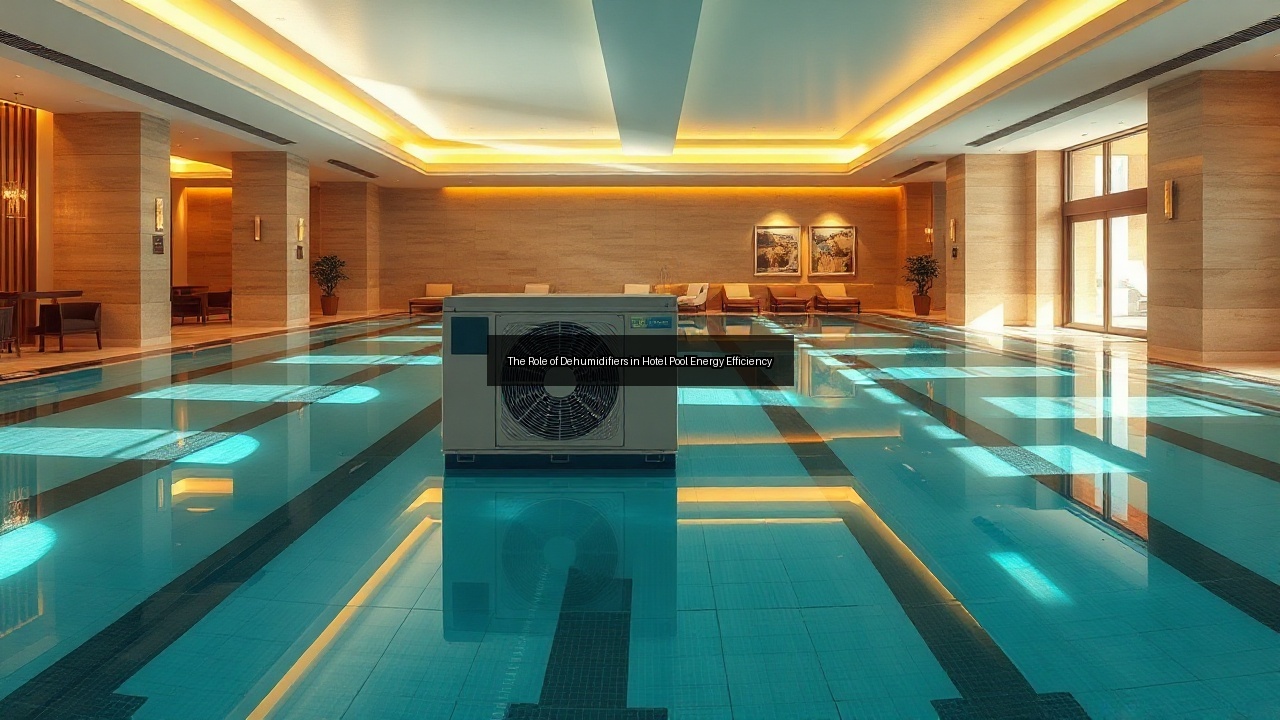
Understanding Dehumidification in Indoor Pools
The Importance of Humidity Control
Hotel operators face constant challenges with excess moisture in indoor swimming pool areas. Proper humidity control prevents structural damage from condensation while maintaining air quality for guests. Without effective dehumidification, mold and mildew thrive on surfaces around the pool deck and in the natatorium envelope. This leads to costly repairs and potential health complaints. A dedicated hotel swimming pool dehumidifer maintains relative humidity between 50 and 60 percent, protecting HVAC components and extending equipment life. Guests notice fresher air immediately, which improves overall satisfaction scores. Hotels that prioritize humidity control report fewer maintenance calls related to corrosion on metal fixtures and lighting systems. Consistent moisture management also supports energy goals by reducing the load on primary heating and cooling equipment throughout the property.
How Dehumidifiers Work in Natatoriums
Dehumidifiers in natatoriums pull warm, moist air across cooling coils that condense water vapor into a collection pan or drain line. The processed air returns to the space at a lower humidity level while the recovered heat often reheats the pool water or supply air. This closed-loop process keeps indoor pools comfortable without dumping conditioned air outdoors. Refrigerants play a central role by absorbing latent heat during the cycle, allowing the unit to handle high evaporation rates typical of large water surfaces. In a hotel setting, the system integrates with the central HVAC system to avoid pressure imbalances that could pull humid air from adjacent corridors. Operators monitor dew point temperatures to fine-tune performance and prevent fogging on windows or skylights. Regular filter changes and coil cleaning keep the dehumidification unit operating at peak efficiency year-round.
Different Types of Dehumidification Units
Hotels choose from several dehumidification options depending on pool size and budget. Refrigerant-based units offer compact footprints and straightforward installation for mid-sized indoor pools. Desiccant wheels handle very high moisture loads in larger natatoriums where conventional coils would struggle. Heat-pump models combine dehumidification with water heating, delivering dual benefits that reduce utility costs. Some facilities install dedicated outdoor air dehumidifiers that precondition ventilation air before it enters the space. Hybrid systems pair a hotel pool dehumidifier with energy recovery ventilators to capture both sensible and latent heat. Selection hinges on local climate, desired noise levels, and integration requirements with existing HVAC infrastructure. Manufacturers now offer units with variable-speed compressors that adjust capacity to match fluctuating occupancy and weather conditions.
Energy Efficiency and Cost Savings
Impact of Dehumidifiers on HVAC Systems
A properly sized hotel swimming pool dehumidifer reduces the burden on the main HVAC system by handling the majority of latent load from pool evaporation. This separation allows chillers and air handlers to operate at higher setpoints and lower fan speeds, cutting electricity consumption. Overloaded central systems often short-cycle or run continuously when moisture migrates into guest rooms and corridors. Dedicated dehumidification units isolate the pool environment, stabilizing temperatures and pressures across the building. Hotels typically see a 15 to 25 percent drop in HVAC runtime after installing modern equipment. The reduction also extends compressor life and lowers refrigerant recharge frequency. Facility teams appreciate fewer service tickets during peak summer humidity when outdoor air infiltration would otherwise overwhelm standard air-conditioning coils.
Energy Recovery Solutions for Hotels
Energy recovery wheels and heat pipes integrated with pool dehumidifiers capture both heat and moisture that would otherwise exhaust outdoors. These devices transfer energy to incoming ventilation air or directly to the swimming pool water, lowering the demand for new heat input. In colder climates, the recovered energy offsets boiler operation during winter months. Hospitality properties benefit from reduced natural gas or electric heating bills that often exceed cooling costs. Some systems route condenser heat to spa areas or domestic hot water loops, maximizing utilization of every kilowatt. Hotel engineers monitor performance through building automation platforms that track real-time energy recovery ratios. Over a typical operating year, these features deliver measurable savings that justify the initial equipment investment within three to five years.
Calculating the ROI of Hotel Pool Dehumidifiers
Return on investment calculations begin with baseline utility data collected before installation. Facility managers compare monthly kilowatt-hour and therm usage against post-installation figures while accounting for occupancy fluctuations. A well-specified hotel pool dehumidifier often pays for itself through combined energy, water, and maintenance savings. Depreciation schedules and potential utility rebates further improve payback periods. Spreadsheet models factor in reduced corrosion repairs and extended HVAC lifespan as additional value streams. Properties that track guest complaint logs also note fewer refunds tied to uncomfortable pool environments. Decision makers review these metrics during capital planning meetings to prioritize dehumidification upgrades over less impactful renovations.
Design Considerations for Hotel Swimming Pools
Integrating Dehumidifiers into Pool Design
Architects and engineers locate dehumidification equipment early in the design phase to optimize duct routing and service access. Supply and return grilles must create proper airflow patterns that sweep across the water surface without creating drafts on swimmers. Mechanical rooms require adequate clearance for filter changes and coil cleaning on the hotel swimming pool dehumidifer. Condensate drainage slopes and trap depths follow local codes to prevent backups. Coordination with structural engineers ensures roof-mounted units do not exceed load limits. Early integration avoids costly retrofits once the natatorium enclosure is complete. Designers also reserve space for future expansion if the hotel adds additional pools or spas later.
ASHRAE Guidelines for Indoor Pools
ASHRAE Standard 90.1 and the ASHRAE Applications Handbook provide specific recommendations for indoor pool dehumidification. The guidelines address ventilation rates, humidity setpoints, and energy recovery requirements tailored to natatoriums. Compliance helps hotels meet local energy codes while protecting occupant health. Designers calculate evaporation rates based on pool surface area, water temperature, and activity levels to size equipment correctly. The standard also covers airflow direction to contain odors and chloramines within the pool zone. Following these practices reduces liability exposure and supports green building certification efforts that many hospitality brands pursue.
Selecting the Right Dehumidification System
Hotel teams evaluate capacity, efficiency ratings, and sound performance when choosing a pool dehumidifier. Units with higher integrated energy efficiency ratios deliver lower operating costs over time. Corrosion-resistant coatings on coils and cabinets extend service life in the harsh chemical environment. Remote monitoring capabilities allow technicians to diagnose issues before they affect guest comfort. Manufacturers provide selection software that models annual energy use based on local weather data and pool usage patterns. Site visits to comparable installations help decision makers verify real-world performance claims. Final selection balances upfront cost against long-term reliability and service support availability in the region.
Maintaining a Comfortable Environment for Guests
Benefits of Dehumidified Indoor Pools
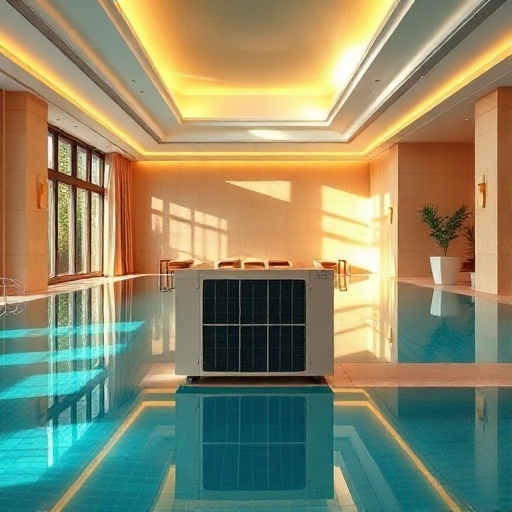
Dehumidified indoor pools offer guests a pleasant swimming experience without the sticky feeling associated with high humidity. Air feels crisp, and water clarity improves because lower airborne moisture reduces chemical reactions that produce chloramines. Families spend more time in the pool area, increasing ancillary revenue from food and beverage sales. Hotel marketing materials highlight the comfortable environment as a differentiator when competing for leisure travelers. Staff notice fewer complaints about foggy mirrors in adjacent locker rooms and reduced slip hazards from condensation on tile floors. Overall, the investment in a quality hotel swimming pool dehumidifer translates directly into higher guest satisfaction scores and repeat bookings.
Strategies for Effective Climate Control in Hotels
Operators combine the hotel pool dehumidifier with demand-controlled ventilation that adjusts outdoor air based on occupancy sensors. Nighttime setbacks lower humidity targets when the space sits empty, saving energy without sacrificing morning comfort. Regular commissioning verifies that airflow and temperature setpoints remain aligned with design intent. Housekeeping teams receive training on proper chemical balancing to minimize off-gassing that burdens the dehumidification unit. Seasonal filter replacement schedules and annual coil inspections keep performance consistent. These layered strategies maintain stable conditions across varying weather and usage patterns throughout the year.
Enhancing Guest Experience through Humidity Management
Effective humidity management creates an inviting atmosphere that encourages longer pool visits and positive reviews. Guests associate the fresh, controlled environment with a premium hospitality experience worth recommending to others. Digital displays showing current temperature and humidity reassure parents monitoring children in the water. Spa packages that include pool access benefit from the same climate control infrastructure. Hotels that communicate their commitment to indoor air quality through signage and app notifications build trust with health-conscious travelers. Consistent performance reinforces brand standards and supports premium room rates for properties featuring well-maintained swimming pools.