Why Neoprene Mounts are Essential for Sustainable HVAC Solutions
Understanding Neoprene Mounts in HVAC Systems
What are Neoprene Mounts?
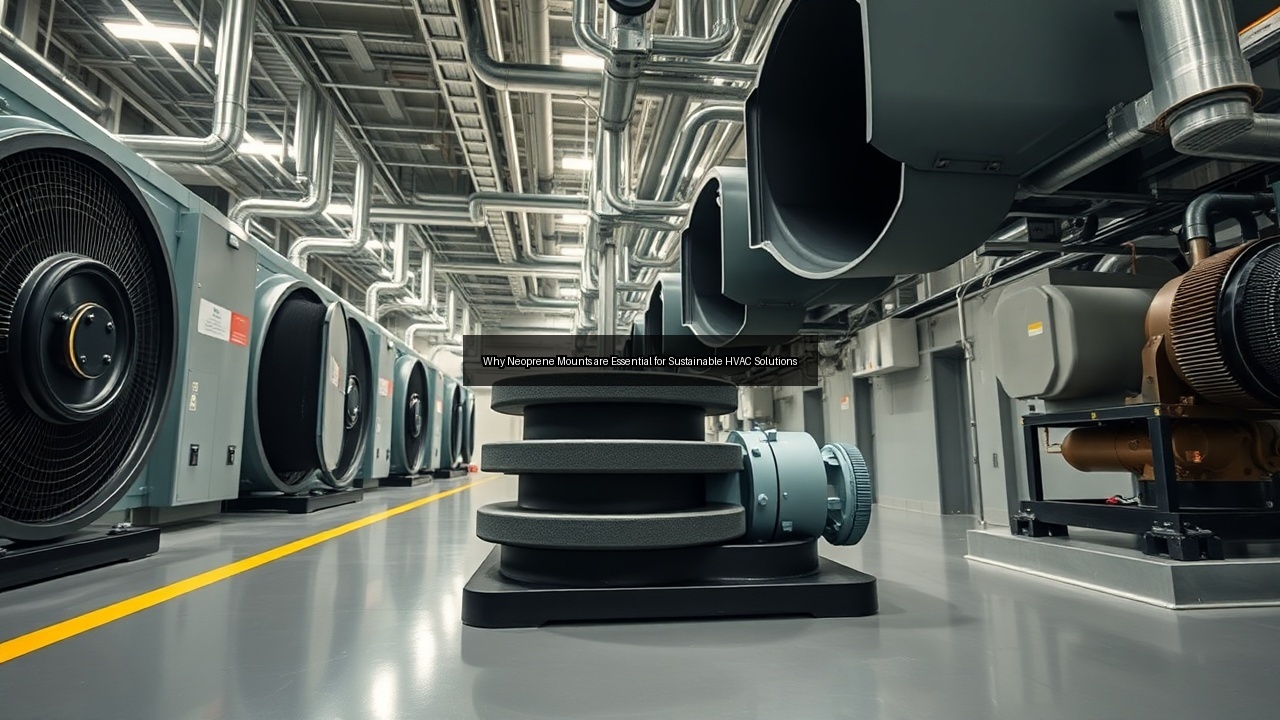
Neoprene mounts serve as robust vibration isolators that anchor HVAC equipment directly to the floor or structural frames. These components consist of dense elastomeric material molded into pads, hangers, or sandwich configurations that absorb operational forces before they reach building elements. HVAC neoprene mounts handle loads from compressors running at varying rpm levels while resisting shear forces generated during start-up and shutdown cycles. Technicians choose neoprene over generic foam because the material maintains consistent performance across temperature swings common in mechanical rooms.
Engineers specify hvac neoprene mounts when projects demand both isolation and longevity. The mounts feature steel plates bonded to neoprene layers that distribute weight evenly and prevent metal-to-metal contact. This design reduces transmission of vibrations that would otherwise travel through ductwork or piping. Maintenance crews appreciate how neoprene resists oil, ozone, and weathering that degrade lesser compounds over time.
The Role of Vibration Isolators in HVAC
Vibration isolators protect HVAC systems by decoupling rotating machinery from the building structure. Neoprene vibration isolation mounts placed under compressors and fans limit the spread of mechanical energy that creates noise and structural fatigue. Without proper isolation, high-speed components transmit forces that crack concrete pads and loosen connections throughout the system.
Properly selected neoprene isolators also stabilize belt drives and gears that operate continuously. They maintain alignment at different rpm settings, which preserves efficiency and prevents premature wear on bearings. Building operators notice quieter spaces and fewer service calls once neoprene vibration pads replace rigid connections. The material’s inherent damping qualities make it suitable for both floor-mounted and suspended applications in commercial and industrial settings.
Comparative Analysis of Neoprene vs. Other Mounting Materials
Neoprene outperforms rubber blends and thermoplastic options in HVAC environments because it retains elasticity after prolonged exposure to refrigerants and temperature cycling. Spring mounts handle low-frequency issues well yet lack the broad-band damping that neoprene vibration isolators provide. Foam pads compress permanently under sustained loads, while neoprene pads recover their shape and continue to isolate effectively.
Shear ratings for neoprene exceed those of many alternatives, allowing smaller footprints without sacrificing stability. Cost comparisons show that neoprene mounts deliver longer service intervals, offsetting initial pricing through reduced downtime. HVAC designers review deflection data and load ratings to confirm neoprene meets project specifications where other materials fall short on durability or chemical resistance.
Benefits of Neoprene Mounts for Sustainable HVAC Solutions
Enhancing Energy Efficiency with Neoprene
Neoprene mounts improve energy efficiency by keeping compressors and fans aligned, which lowers power draw caused by misalignment or binding. When equipment operates without excess vibration, motors reach rated rpm with less resistance and consume fewer kilowatt-hours. Facilities track measurable drops in energy use after installing hvac neoprene mounts under rooftop units and chillers.
The mounts also reduce heat generated from friction, allowing cooling systems to reject less waste energy into the conditioned space. Over a full operating season, these incremental savings compound into meaningful reductions in utility costs and carbon output. Engineers include neoprene vibration isolation mounts in efficiency calculations because the components support steady performance without adding parasitic losses.
Reducing Noise Pollution in HVAC Systems
Neoprene vibration pads cut airborne and structure-borne noise that compressors and belt drives produce. Residents and office workers experience quieter environments when neoprene isolators interrupt the path of sound waves traveling through floors and walls. This acoustic benefit supports occupant comfort and helps buildings meet local noise ordinances without additional enclosure costs.
Technicians measure decibel reductions at the source and at occupied spaces after retrofitting with neoprene mounts. The material absorbs mid- and high-frequency vibrations that foam fails to address, delivering consistent results across load ranges. Property managers value how neoprene maintains its noise-control properties even after years of continuous service in demanding HVAC applications.
Long-Term Durability and Cost Savings
Neoprene resists compression set and environmental degradation, giving mounts extended service life compared with alternative materials. HVAC systems equipped with neoprene rubber mounts require fewer replacements, which lowers lifetime maintenance expenses and material waste. The durability directly supports sustainability goals by extending intervals between equipment overhauls.
Operators calculate return on investment through avoided repair labor and reduced downtime. Neoprene’s resistance to oils and refrigerants prevents premature failure that would otherwise force early system replacement. Long-term records from commercial installations confirm that properly specified neoprene mounts continue to perform after a decade or more of operation.
Application Areas of Neoprene Mounts in HVAC
Mounting Compressors and Belt Drives
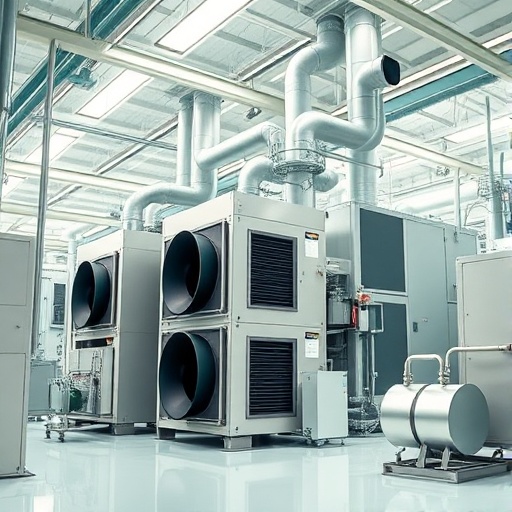
Compressors generate significant vibration at operating rpm, making neoprene mounts essential for stable installation on rooftops and mechanical floors. Sandwich-style neoprene vibration isolation mounts placed beneath compressor skids absorb vertical and horizontal forces while maintaining equipment level. Belt drives benefit from the same isolation because neoprene prevents misalignment that shortens belt life and increases energy consumption.
Installers select mounts rated for the combined weight and dynamic forces of the compressor assembly. Neoprene’s high shear strength keeps the unit secure during frequent cycling. These applications demonstrate why hvac neoprene mounts remain the preferred choice when reliability and quiet operation matter.
Utilizing Neoprene in Trucks and Trailers
Mobile HVAC units on trucks and trailers encounter constant road-induced vibration that rigid mounts cannot absorb. Neoprene pads and hangers isolate compressors and condensers mounted inside the cab or cargo area, protecting both equipment and vehicle structure. The material handles repeated shock loads while resisting road salts and temperature extremes.
Fleet managers report fewer refrigerant leaks and electrical issues after switching to neoprene mounts. The isolators maintain performance whether the vehicle sits at idle or travels at highway speeds. This application highlights how neoprene supports sustainability by extending the service life of mobile refrigeration systems.
Neoprene Pads for Tubings and Clutches
Neoprene pads placed under tubing supports and clutch assemblies prevent metal fatigue caused by transmitted vibration. Clutches in large air-handling units experience torque pulses that travel through connected piping unless isolated. Neoprene vibration pads at these points dampen the pulses and protect joints from loosening.
Technicians position neoprene rubber pads at regular intervals along tubing runs to maintain clearance and reduce noise. The pads also accommodate minor thermal movement without binding. These targeted installations contribute to overall system reliability and lower maintenance demands across commercial HVAC networks.
Installation and Maintenance of Neoprene Mounts
Self-Adhesive Mounts: Ease of Use
Self adhesive neoprene mounts simplify retrofit projects because they bond directly to clean surfaces without additional fasteners. Contractors peel backing paper and press the mount into position, achieving immediate hold that supports light to moderate loads. HVAC neoprene mounts with self-adhesive backing speed installation on existing equipment skids or duct supports.
The adhesive layer remains flexible with the neoprene, preserving isolation performance. Installers verify surface preparation to ensure long-term bond strength. This mounting method reduces labor hours while delivering the same vibration control as traditional bolted options in many applications.
Best Practices for Installing Neoprene Vibration Isolation Mounts
Proper installation begins with calculating equipment weight and selecting mounts rated for both static and dynamic loads. Technicians position neoprene vibration isolation mounts at corners and center points to achieve uniform deflection. Leveling the equipment after placement ensures even load distribution and optimal isolation at operating rpm.
Anchor bolts secure the mounts to the floor when seismic or wind loads apply. Clearance around the equipment allows free movement of the neoprene without contact against rigid surfaces. Following manufacturer deflection guidelines during setup maximizes the effectiveness of hvac neoprene mounts across the full range of operating conditions.
Maintenance Tips for Longevity
Routine inspection of neoprene mounts reveals early signs of cracking or compression that indicate replacement timing. Cleaning debris from around the mounts prevents abrasion that shortens service life. Operators schedule checks during seasonal maintenance to confirm continued isolation performance.
Replacement involves matching the original durometer and load rating to preserve system balance. Documenting installation dates helps facilities plan proactive swaps before failures occur. Consistent attention to neoprene condition supports both equipment uptime and sustainability targets by avoiding unnecessary part disposal.
The Future of Neoprene in Sustainable HVAC Solutions
Innovations in Elastomeric Materials
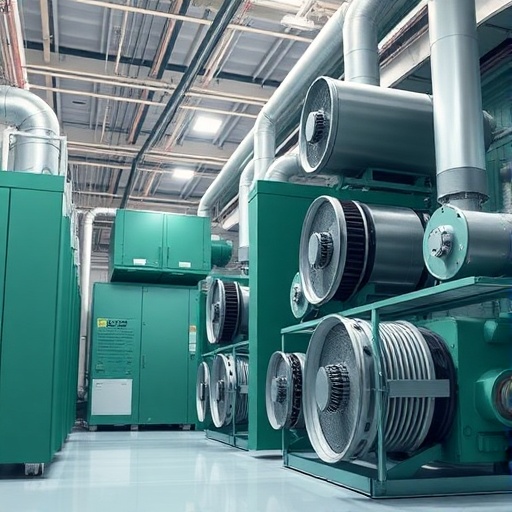
Material scientists continue to refine neoprene formulations to increase damping across wider frequency ranges while maintaining environmental resistance. New elastomeric compounds incorporate recycled content without sacrificing the shear and compression properties required for HVAC duty. These advances expand the applications for neoprene mounts in high-efficiency systems.
Manufacturers test hybrid designs that combine neoprene layers with other elastomers to optimize cost and performance. The resulting mounts deliver improved isolation at lower weights, which benefits both new construction and retrofit projects seeking sustainability certifications.
The Role of Neoprene in Green Building Standards
Green building standards reward designs that reduce operational noise and energy waste, areas where neoprene vibration isolators contribute directly. Projects earn points for specifying durable, low-maintenance components that support long service life. Neoprene mounts help HVAC systems meet acoustic and efficiency criteria without additional treatment layers.
Documentation of neoprene performance assists commissioning teams in verifying compliance. The material’s longevity aligns with lifecycle assessment requirements that favor components lasting decades rather than years. HVAC neoprene mounts therefore form a practical element in sustainable construction strategies.
Trends in Vibration Isolation Technology
Smart monitoring systems now track vibration signatures of HVAC equipment, allowing predictive maintenance of neoprene mounts before performance degrades. Integration of sensors with neoprene pads provides real-time data on deflection and temperature, supporting optimized replacement schedules. These technologies extend the value of traditional neoprene vibration isolation mounts.
Designers also explore modular mount systems that permit quick swaps during equipment upgrades. The combination of proven neoprene performance with modern monitoring creates solutions that enhance both sustainability metrics and operational reliability across commercial and industrial HVAC installations.